Hive Streaming
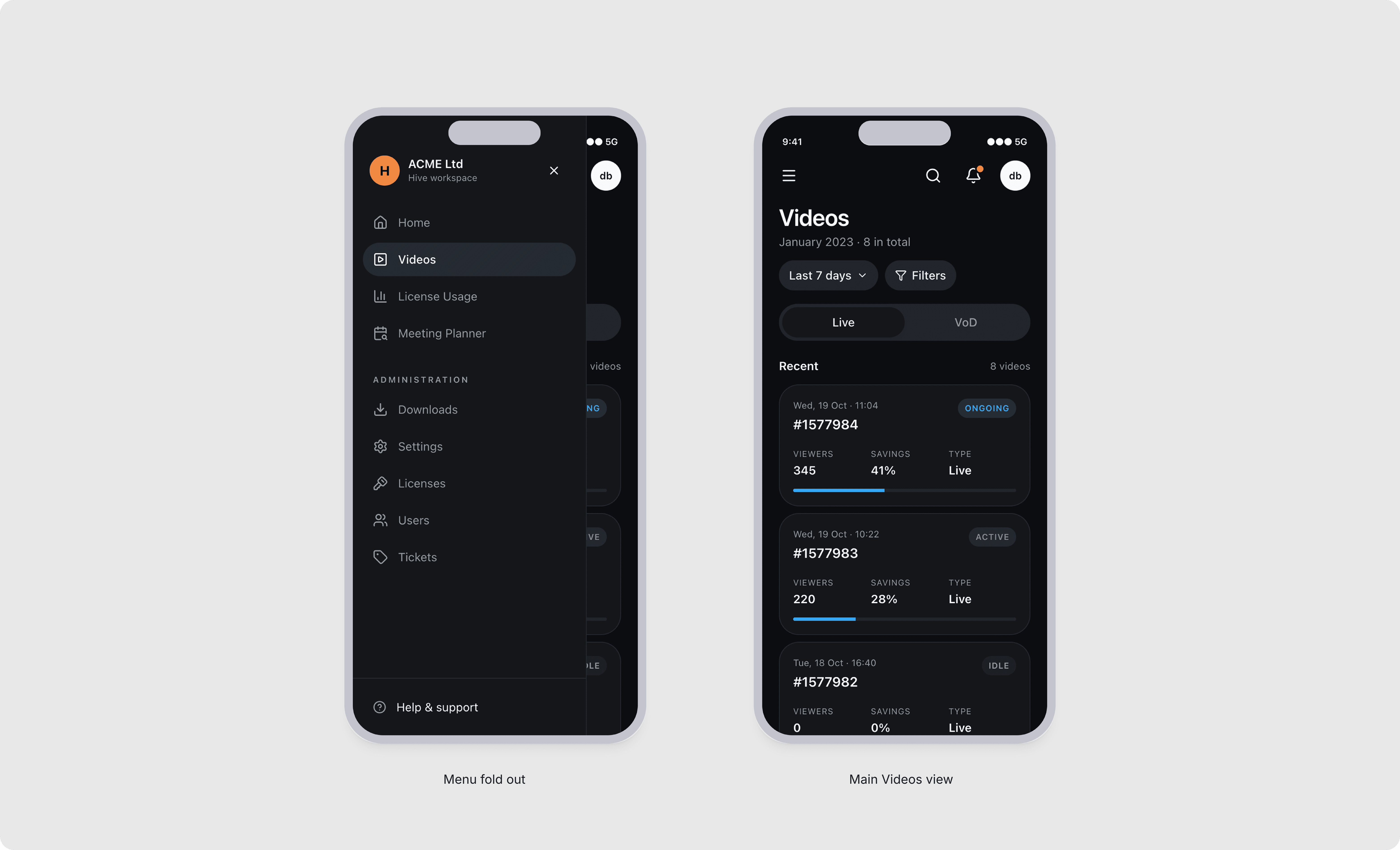
Hivestreaming hired me to simplify a complex enterprise platform and improve accessibility across their product. They weren’t looking for surface-level fixes — they needed a clear, scalable structure that could support enterprise adoption and long-term growth.
The Challenge
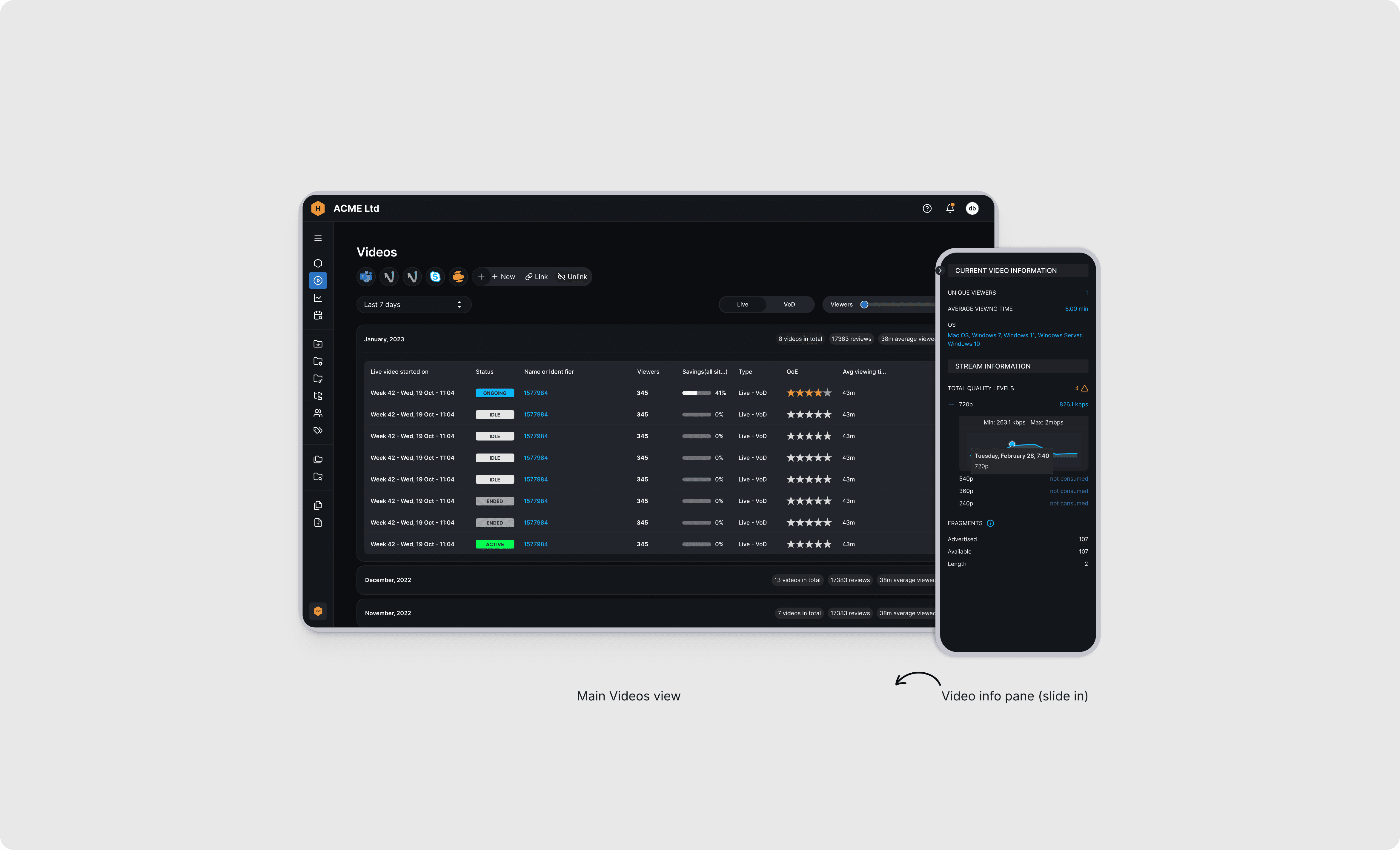
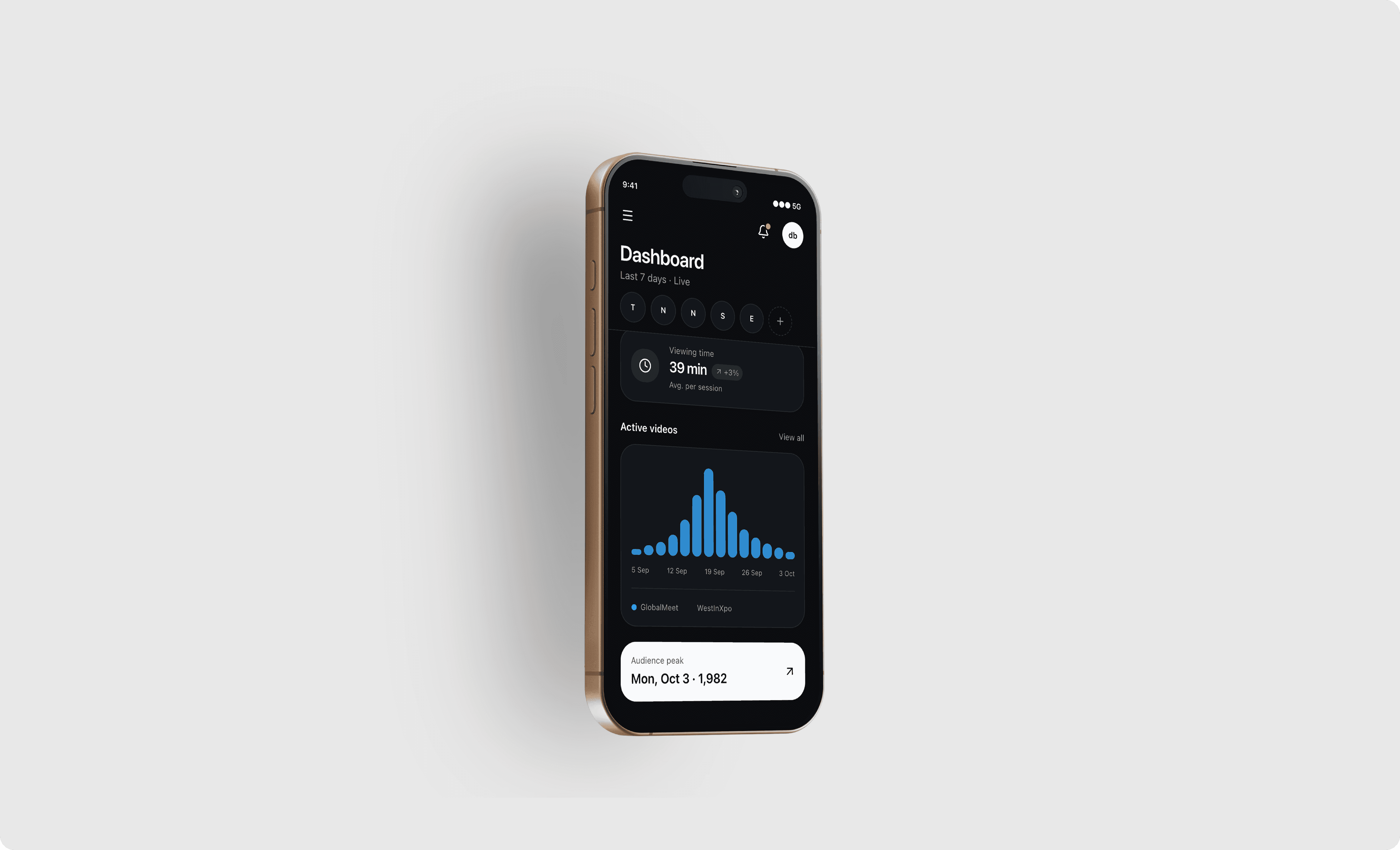
Hive Streaming’s enterprise platform was technically advanced but structurally fragmented. Inconsistent UI patterns, unclear navigation, and complex analytics workflows made it difficult for enterprise clients to manage and monitor large-scale video events efficiently. Limited accessibility support and inconsistent interaction patterns created friction across key workflows, reducing usability and slowing adoption. The platform needed a clearer, more scalable structure to improve usability, accessibility, and enterprise readiness.
My Role
Senior Product Designer Led the end-to-end UX and Information Architecture redesign Owned structural improvements across core workflows Improved collaboration between design and engineering Defined scalable UX patterns for future growth
What I did
Structural Redesign: Reorganised the platform around the full event lifecycle to create clearer navigation and improve usability across preparation, live management, and post-event analysis. Accessibility Integration: Conducted accessibility reviews and embedded WCAG-compliant patterns into the core experience to meet enterprise requirements. Workflow Optimisation: Simplified complex workflows and improved feature discoverability to reduce friction in analytics and event management tasks. Design System: Established consistent patterns and reusable components to improve scalability, reduce design debt, and strengthen cross-team alignment. Validation: Developed flows, wireframes, and prototypes to validate new structures and refine workflows through iterative feedback.
Results & Impact
Improved Usability: Increased efficiency across key workflows through clearer navigation and simplified task flows. Enterprise Readiness: Strengthened platform accessibility and compliance to support enterprise client requirements. Operational Efficiency: Reduced design debt and improved collaboration between design and engineering. Scalable Foundation: Established reusable patterns and scalable UX structures to support continued product growth.